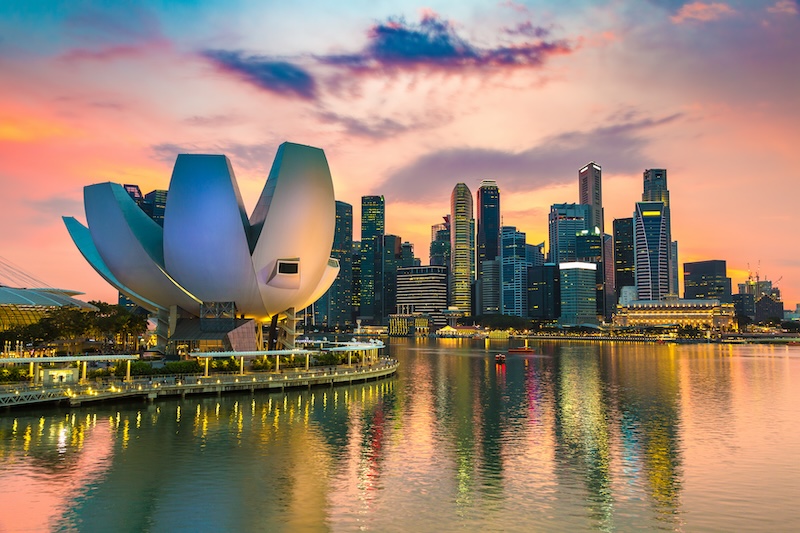
Singapore is consistently ranked among the world’s most attractive destinations for global talent, entrepreneurs, and investors. With its strong economy, political stability, world-class infrastructure, and excellent quality of life, many foreigners eventually consider applying for Singapore Permanent Residency (PR).
Becoming a PR allows foreign professionals and their families to live and work in Singapore long-term while enjoying many of the benefits available to citizens. However, the application process can be complex and competitive.
This 2026 Singapore PR application guide explains everything you need to know — including eligibility criteria, required documents, the application process, and the typical timeline.
What Is Singapore Permanent Residency?
Singapore Permanent Residency is a long-term immigration status granted by the Immigration & Checkpoints Authority (ICA).
A Singapore PR is a foreigner who has been granted the right to live and work in Singapore permanently, although they remain a citizen of another country. PRs aged 15 and above receive a Singapore blue identity card and must hold a valid Re-Entry Permit if they wish to travel overseas and return to Singapore as a PR.
Some of the key benefits of Singapore PR include:
- Freedom to live and work in Singapore without needing a work pass
- Access to CPF contributions (for employees)
- Ability to sponsor family members for residency
- Greater stability compared to temporary work passes
- Pathway to Singapore citizenship in the future
However, obtaining PR status is not automatic. Each application is carefully assessed by ICA based on several factors.
Singapore PR Eligibility in 2026
Singapore offers several pathways to permanent residency. The eligibility category you fall under determines how your application is assessed.
1. Professionals, Technical Personnel, and Skilled Workers (PTS Scheme)
This is the most common PR route for foreigners working in Singapore.
You may apply if you are currently holding:
- Employment Pass (EP)
- S Pass
- Personalized Employment Pass (PEP)
Typically, applicants strengthen their chances by working in Singapore for at least 6–12 months before applying, though longer employment history often improves the application.
ICA evaluates factors such as:
- Salary level
- Professional qualifications
- Industry demand
- Employment history in Singapore
- Economic contributions
2. Spouse or Child of a Singapore Citizen or PR
Foreign spouses and unmarried children under 21 years old may apply for PR if they are sponsored by a Singapore citizen or permanent resident.
For family-based applications, ICA often evaluates:
- Length of marriage
- Family ties in Singapore
- Stability of the relationship
- Household income and financial stability
3. Student Scheme
Foreign students studying in Singapore may also qualify for PR if they:
- Have lived in Singapore for several years
- Have passed at least one national exam (such as PSLE, GCE N/O/A levels)
- Are integrated into Singapore’s education system
This pathway is designed to retain international students who have grown up or studied extensively in Singapore.
4. Global Investor Programme (GIP)
High-net-worth individuals and entrepreneurs may obtain PR through investment under the Global Investor Programme administered by the Singapore Economic Development Board.
Applicants must typically invest significant capital in:
- A Singapore business
- Approved funds
- Family offices
This scheme targets investors who can contribute to Singapore’s economic development.
How ICA Evaluates Singapore PR Applications
PR approval is highly selective. According to ICA, applications are assessed based on several key considerations such as an individual’s family ties to Singaporeans, economic contributions, qualifications, age, family profile, and length of residency in Singapore. These factors help determine the applicant’s ability to contribute to Singapore, integrate into society, and demonstrate a genuine commitment to putting down long-term roots in the country.
Some important factors that influence approval include:
Employment Stability
A stable job with a reputable company shows that you are financially secure and able to contribute consistently to Singapore’s economy. ICA may look at how long you have been employed in your current role, your career progression, and whether your employment history demonstrates reliability. Applicants who show long-term professional stability often present stronger PR profiles.
Salary and Industry
Your salary level and the industry you work in can play a significant role in the evaluation process. Professionals working in sectors that are important to Singapore’s economy — such as technology, finance, healthcare, engineering, and advanced manufacturing — may be viewed more favourably. Higher salaries may also indicate greater economic contributions through taxes and CPF participation.
Length of Stay in Singapore
The length of time you have lived and worked in Singapore can indicate your commitment to building a life in the country. Applicants who have spent several years working, paying taxes, and integrating into local society may demonstrate stronger ties to Singapore. A longer stay often helps show that you intend to settle in Singapore for the long term.
Family Integration
Family ties can strengthen a PR application because they reflect deeper social integration. Applicants who have spouses, children studying in Singapore schools, or other close family members living in Singapore may be viewed as more likely to settle permanently. Strong family connections often signal long-term commitment to the country.
Contributions to Singapore
Economic and social contributions can positively influence your PR application. This may include consistent tax payments, professional contributions to key industries, or participation in community and volunteer activities. Demonstrating that you actively contribute to Singapore’s society and economy can strengthen your case for permanent residency.
Documents Required for Singapore PR Application
Applicants must submit a range of documents to support their PR application. These documents help ICA assess the applicant’s background, employment status, and ties to Singapore. Below are the most commonly required documents.
Personal Identification Documents
Applicants usually need to provide:
- Valid passport
- Birth certificate
- Work pass or FIN card
- Marriage certificate (if applicable)
- Divorce or death certificates (if applicable)
- Name change documents if relevant
If any documents are not in English, official translations must be provided.
Employment Documents
Working professionals must submit evidence of their employment status, such as:
- Employment letter from current employer
- Payslips for the past six months
- Job designation and salary details
- Employment start date
These documents help demonstrate the applicant’s economic contributions.
Financial and Tax Records
ICA may require:
- Income Tax Notice of Assessment (typically for the past three years)
- CPF contribution history
- Proof of salary or business income
Self-employed individuals must provide additional records, such as:
- Business registration
- Financial statements
- Tax filings
Supporting Documents for Family Members
If you are applying with family members, additional documents may include:
- Children’s birth certificates
- School records
- Marriage certificates
Submitting complete and accurate documentation is essential. Incomplete applications may be rejected or delayed.
Step-by-Step Singapore PR Application Process
The application process has become increasingly digital. Today, most applicants submit their applications through ICA’s e-PR online system.
Step 1: Prepare Required Documents
- Ensure that all required documents are scanned clearly and translated into English if necessary.
- Preparing documents in advance reduces the risk of delays.
Step 2: Submit the Online Application
- Applicants submit their PR application through the ICA e-Service portal.
- Applicants will typically need to log in using Singpass to complete the submission and declarations.
- At this stage, you must also pay the non-refundable application fee (about S$100).
Step 3: Application Processing
Once submitted, ICA officers review the application.
During this stage, ICA may:
- Verify documents
- Conduct background checks
- Request additional information
Applicants may occasionally be asked to upload additional documents if necessary.
Step 4: Receive Application Outcome
Applicants will receive notification via:
- Post
- The MyICA portal
If approved, applicants receive an In-Principle Approval (IPA) and must complete formalities before PR status is officially granted.
Step 5: Complete PR Formalities
Successful applicants must complete several formalities, including:
- Payment of additional fees
- Identity card registration
- Re-Entry Permit issuance
Once completed, you officially become a Singapore Permanent Resident.
Singapore PR Application Timeline (2026)
Many applicants want to know how long the PR process takes. According to ICA, PR applications are generally processed within about six months, provided all required documents are submitted correctly. However, actual timelines may vary.
Typical Processing Timeline
| Stage | Estimated Time |
|---|---|
| Document preparation | 1–2 weeks |
| Online submission | Same day |
| Application processing | 4–8 months |
| Complex cases | Up to 12 months |
While some straightforward cases may be approved in 3–4 months, more complex applications can take 9–12 months or longer, depending on verification requirements.
Factors that may affect processing time include:
- Incomplete documentation
- Additional verification requirements
- High application volumes
- Complex employment histories
It is important to note that longer processing times do not necessarily indicate rejection.
Common Reasons PR Applications Are Rejected
Singapore PR approval is highly competitive, and many applications are unsuccessful.
Some common reasons include:
Weak Economic Contributions
Applicants with relatively low salaries or inconsistent employment histories may face difficulties securing PR approval. ICA assesses whether an applicant can contribute meaningfully to Singapore’s economy through their profession, skills, and income level. If the applicant’s economic contributions appear limited compared to other candidates, the application may be less competitive.
Short Stay in Singapore
Applicants who have only recently started working or living in Singapore may not yet demonstrate a strong commitment to the country. ICA often looks for individuals who have spent a reasonable amount of time building their careers and lives in Singapore. A longer period of residence can help show that the applicant intends to settle in Singapore for the long term.
Incomplete Documents
Missing, inaccurate, or poorly prepared documentation can weaken an application significantly. ICA relies on supporting documents to verify employment, income, family background, and other important details. If documents are incomplete or unclear, the application may be delayed or rejected.
Lack of Integration
Limited social or family ties to Singapore may reduce the perceived likelihood that the applicant will settle permanently. ICA considers whether the applicant has integrated into Singapore society through family connections, community involvement, or long-term living arrangements. Applicants who demonstrate stronger integration into local society may have better chances of approval.
Tips to Strengthen Your Singapore PR Application
If you are planning to apply in 2026, consider the following strategies:
Build a Strong Employment Profile
Maintaining stable employment with a reputable company can strengthen your PR application. ICA may consider your job stability, career progression, and professional qualifications when evaluating your ability to contribute to Singapore’s economy. Demonstrating consistent career growth and valuable skills in your industry can make your profile more competitive.
File Accurate Tax Records
Consistently filing and paying your income taxes shows that you are contributing to Singapore’s economy responsibly. ICA may review your Notice of Assessment and tax history to assess your financial stability and income level. Clear and accurate tax records also help verify the information stated in your application.
Establish Long-Term Roots
Showing that you intend to settle in Singapore for the long term can improve your chances of approval. This may include living in Singapore for several years, purchasing property, or having children enrolled in local schools. These factors may signal a stronger commitment to building your future in the country.
Submit Complete Documentation
Providing complete and well-organised documents is essential for a smooth application process. Ensure that all required documents are accurate, properly scanned, and translated into English if necessary. Submitting a thorough application helps reduce delays and allows ICA to assess your case more efficiently.
Apply at the Right Time
Timing can also play an important role in the success of your application. Many professionals choose to apply after working in Singapore for at least one to two years, as this allows them to build a stronger employment and financial profile. Waiting until you have a stable job, sufficient income, and a longer stay in Singapore may improve your chances of approval.
Consider Applying Through a PR Agency
Engaging a professional immigration consultancy can help you better understand the PR application process and requirements. Experienced agencies can review your profile, identify potential weaknesses, and guide you in preparing stronger supporting documents. While approval is ultimately decided by ICA, professional guidance may help ensure your application is well-prepared and submitted correctly.
Final Thoughts
Applying for Singapore Permanent Residency is an important milestone for foreigners who wish to build a long-term future in Singapore. While the process may appear straightforward, approval is highly selective and requires careful preparation.
Understanding the eligibility criteria, documentation requirements, and application timeline can significantly improve your chances of success.
If you are planning to apply for Singapore PR in 2026, start preparing early and ensure your application presents a strong and complete profile.
Need professional guidance for your Singapore PR application?
At ImmigrateSG, our experienced consultants help applicants prepare strong, well-documented submissions to improve their chances of success. From eligibility assessment to document preparation and application strategy, we guide you through every step of the Singapore PR process.
Contact ImmigrateSG today to begin your journey toward becoming a Singapore Permanent Resident.